Observing blog
Guides and tips on astronomy, observing and using the app.
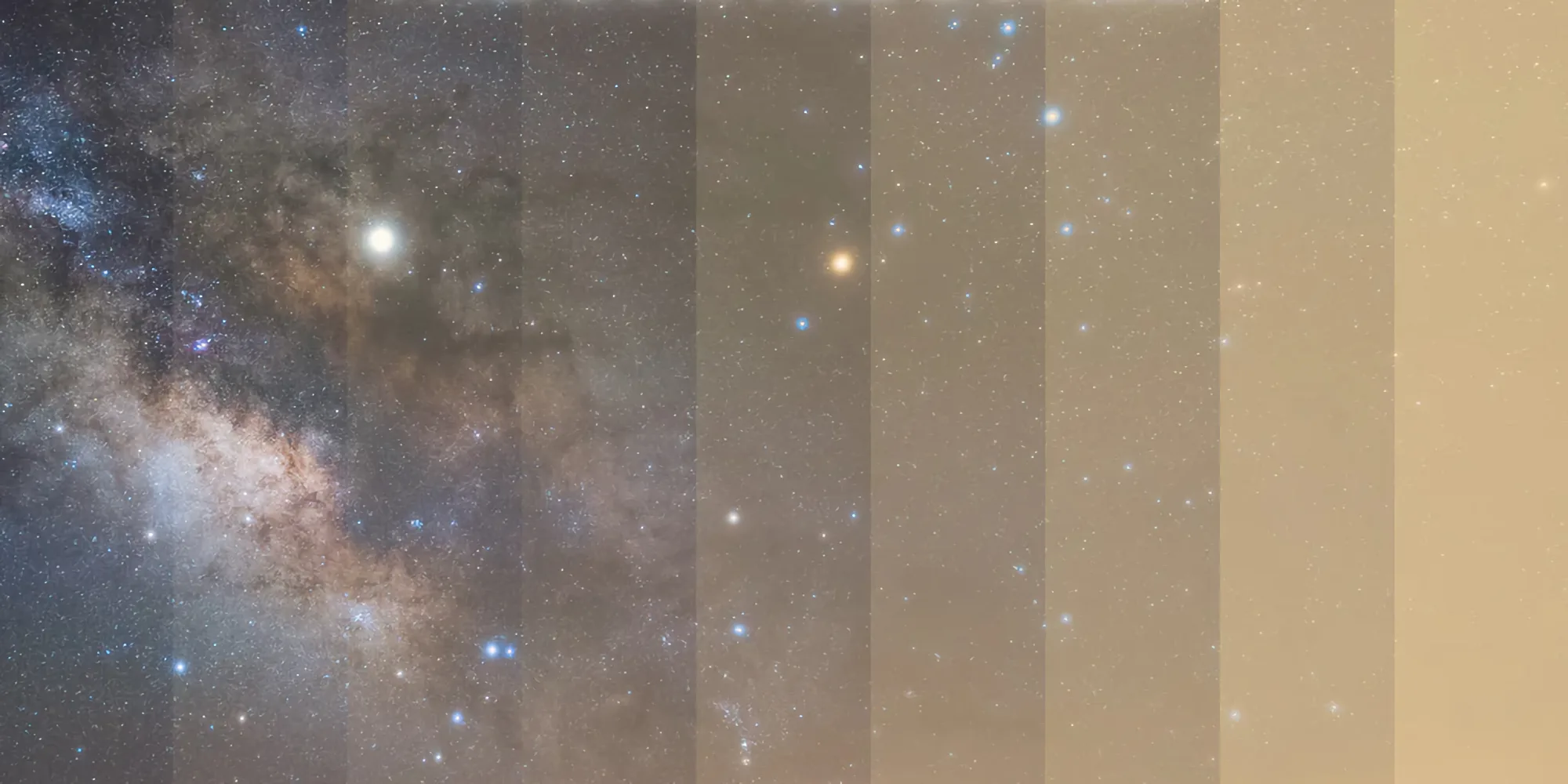
The Bortle scale: how to find a dark sky near your city
The nine Bortle classes in plain words: what you can see in each, how to work out your own class and how far to drive from town for a dark sky.
Read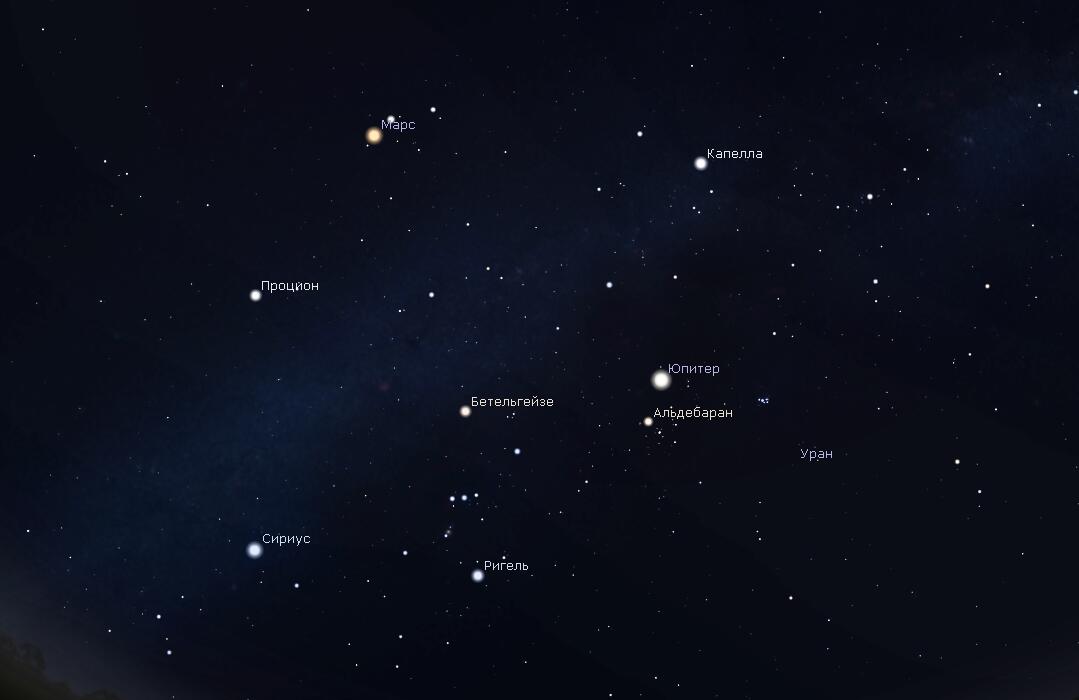
What's that bright star in the sky: how to tell a planet from a star or a satellite
Is that bright point a planet, a star, the ISS or a plane? Four simple clues and a cheat sheet for what's visible in autumn and winter 2026–2027.
Read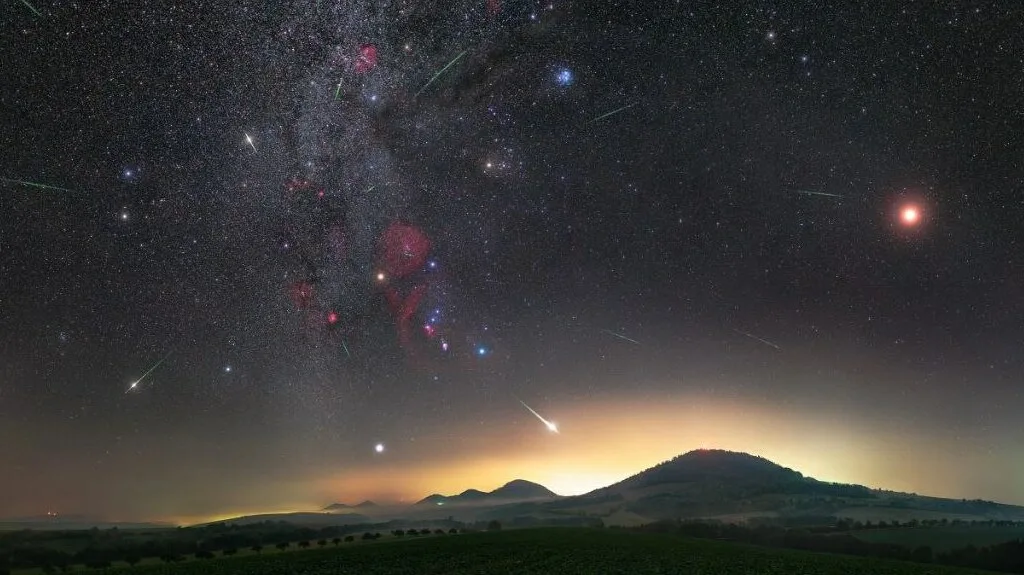
Orionids 2026: the Halley's Comet meteor shower peaks on the night of 21–22 October
The Orionids peak on the night of 21–22 October 2026. When the Moon sets, where to look and how many meteors you can realistically expect.
Read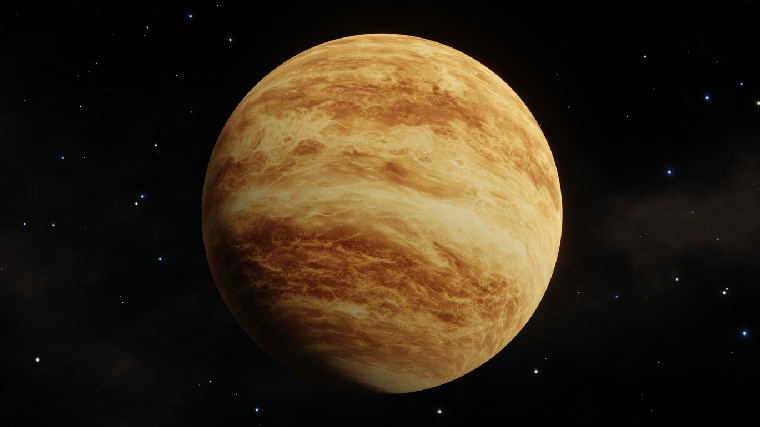
Venus, the morning star: what is that bright point in the east before dawn
From November 2026 Venus blazes in the east before dawn. When it is at its brightest, how to find it and what binoculars will show.
Read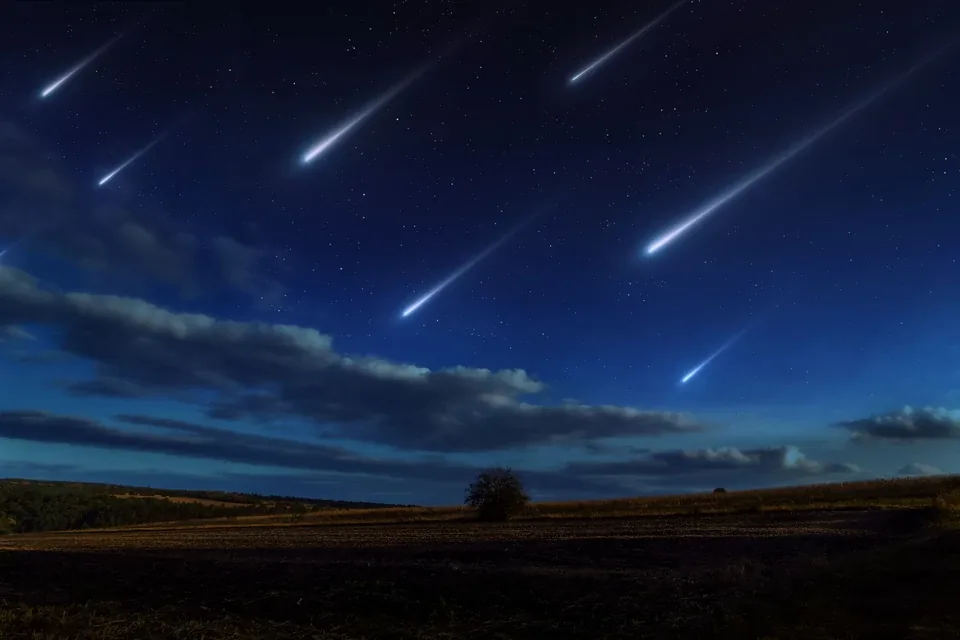
Geminids 2026: the year's best meteor shower on the night of 13–14 December
The Geminids are the richest meteor shower of the year, up to 150 meteors an hour. In 2026 the peak falls on 13–14 December with almost no Moon in the sky.
Read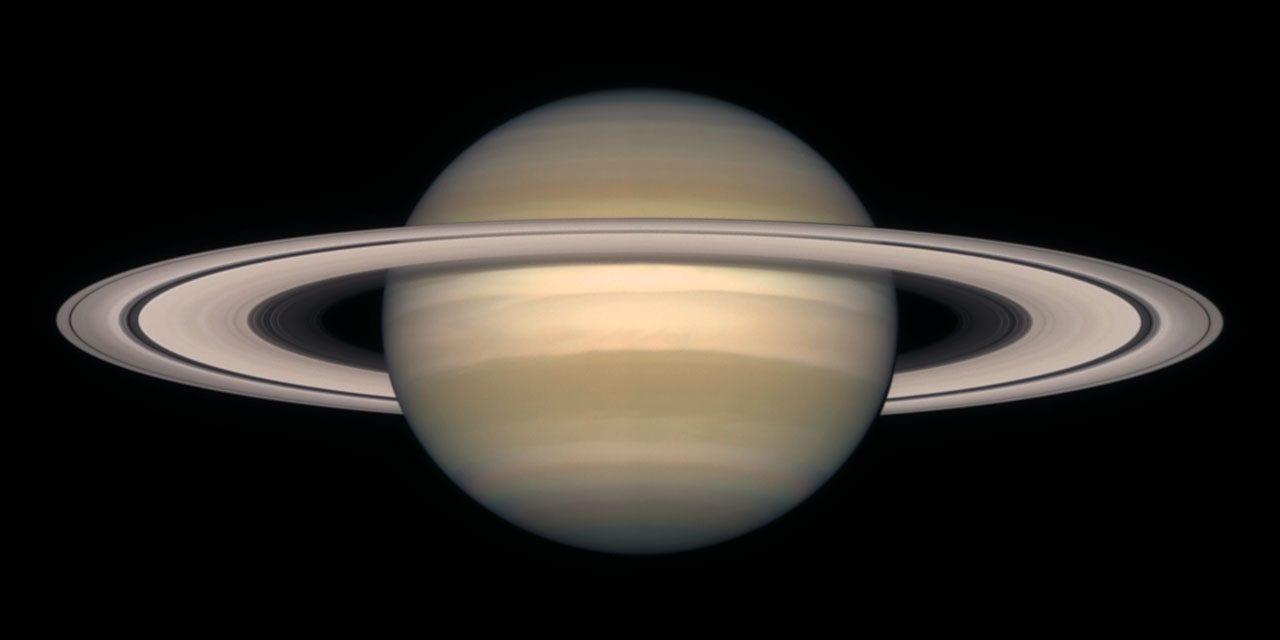
Saturn at opposition on 4 October 2026: how to see the rings
On 4 October 2026 Saturn is closest to Earth and at its brightest for the year.
Read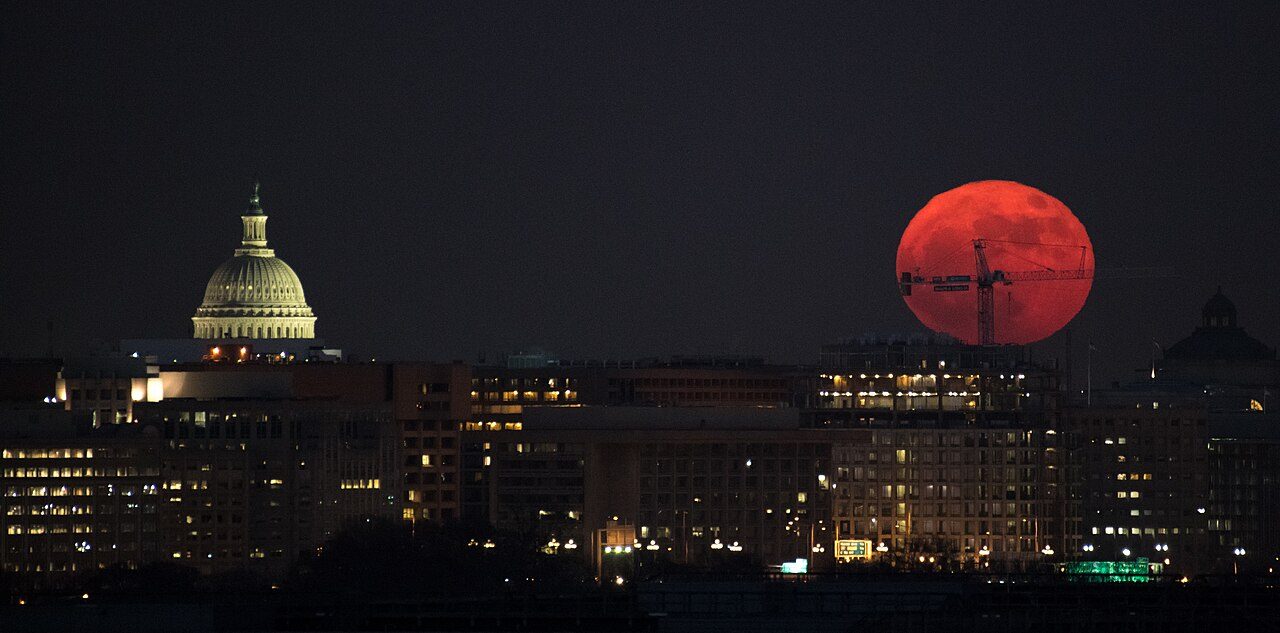
Supermoons on 24 November and 24 December 2026: when and how to watch
Two supermoons close out 2026 — 24 November and 24 December. December's is the closest full Moon of the year.
Read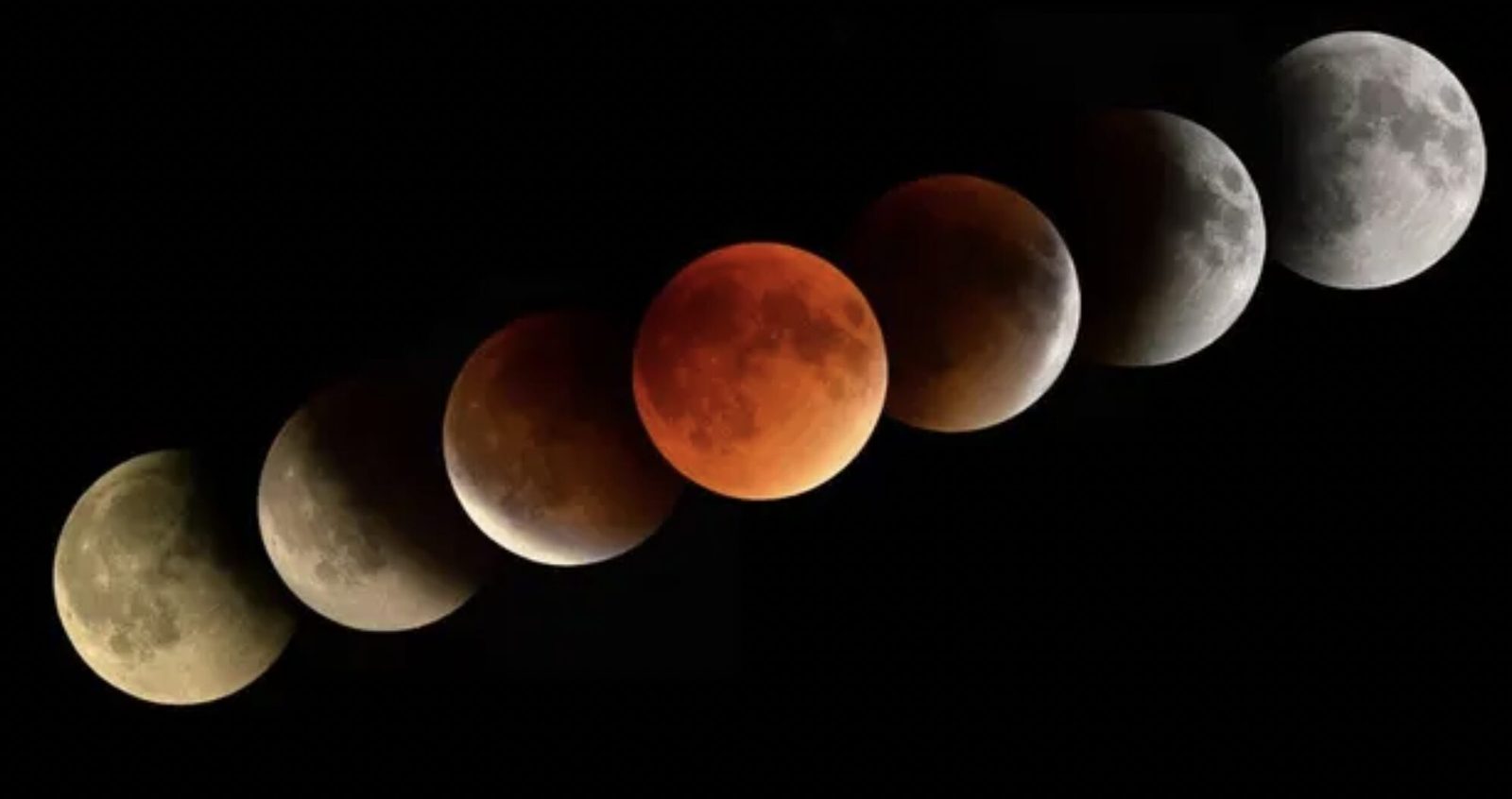
Partial lunar eclipse, August 27–28, 2026: times, visibility and how to watch
On the night of August 27–28, 2026, Earth's shadow covers 93% of the Moon — a near-total eclipse visible end to end across the Americas.
Read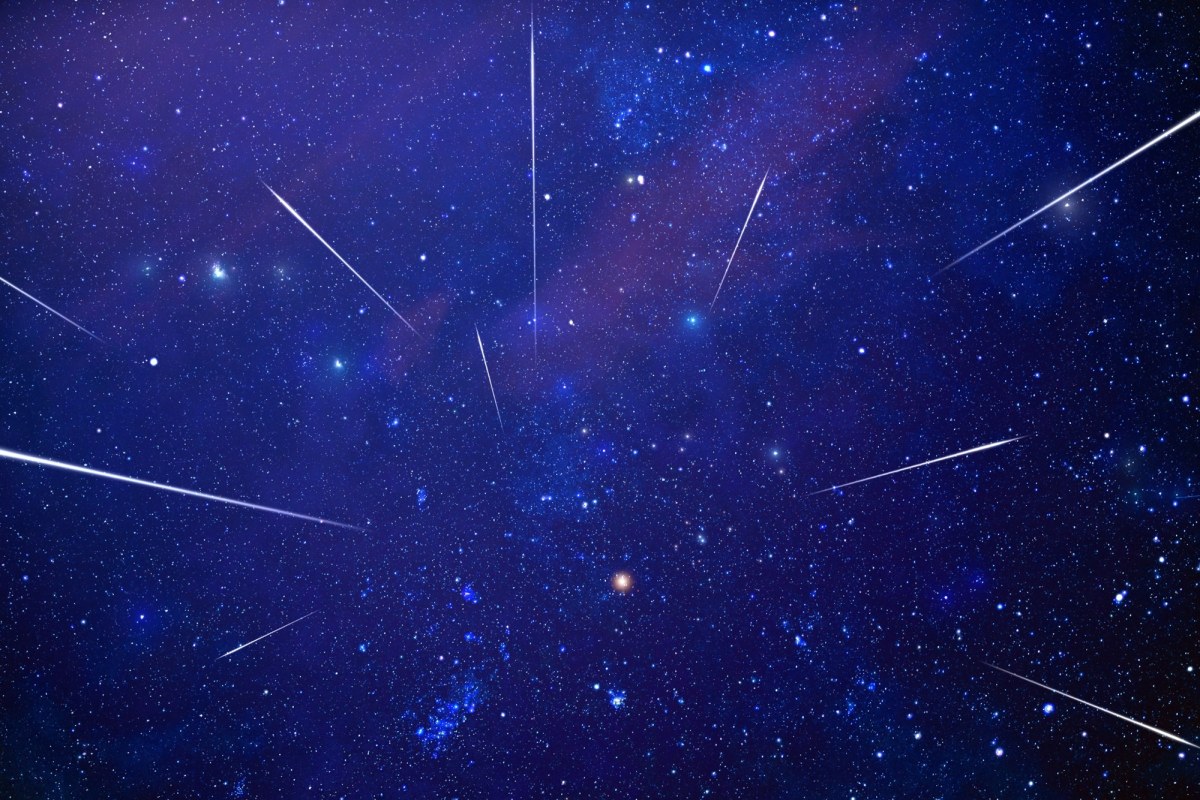
Perseids 2026: when the meteor shower peaks and how to watch it
The Perseid meteor shower peaks on the night of August 12–13, 2026 — under a new Moon for the first time in years.
Read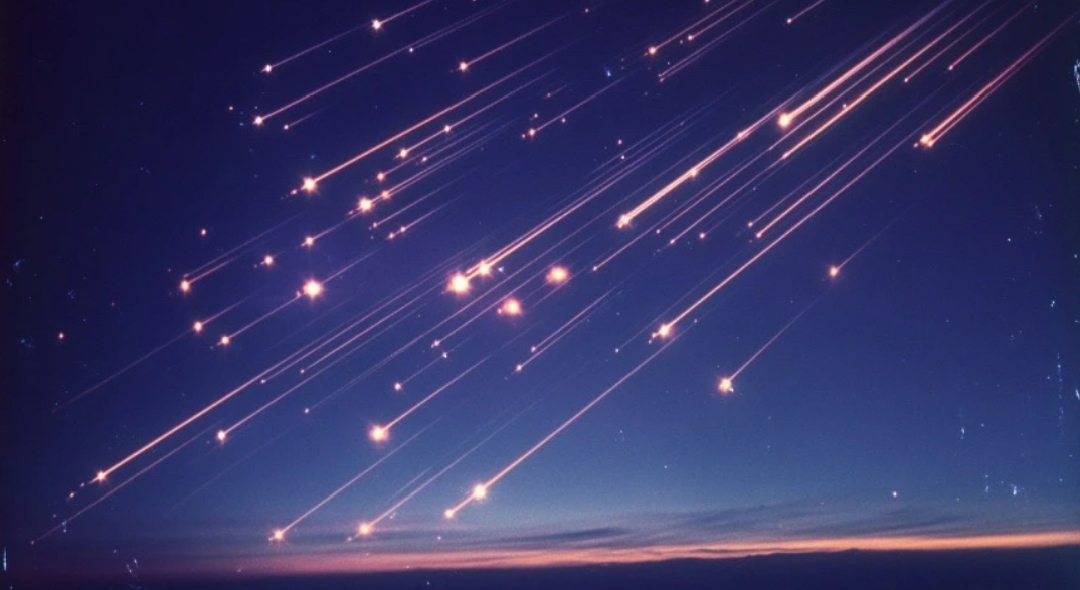
Meteor showers: how to watch a shooting-star night
A calendar of the year's biggest meteor showers, where shooting stars come from, and how to pick the right night and place to see the most.
Read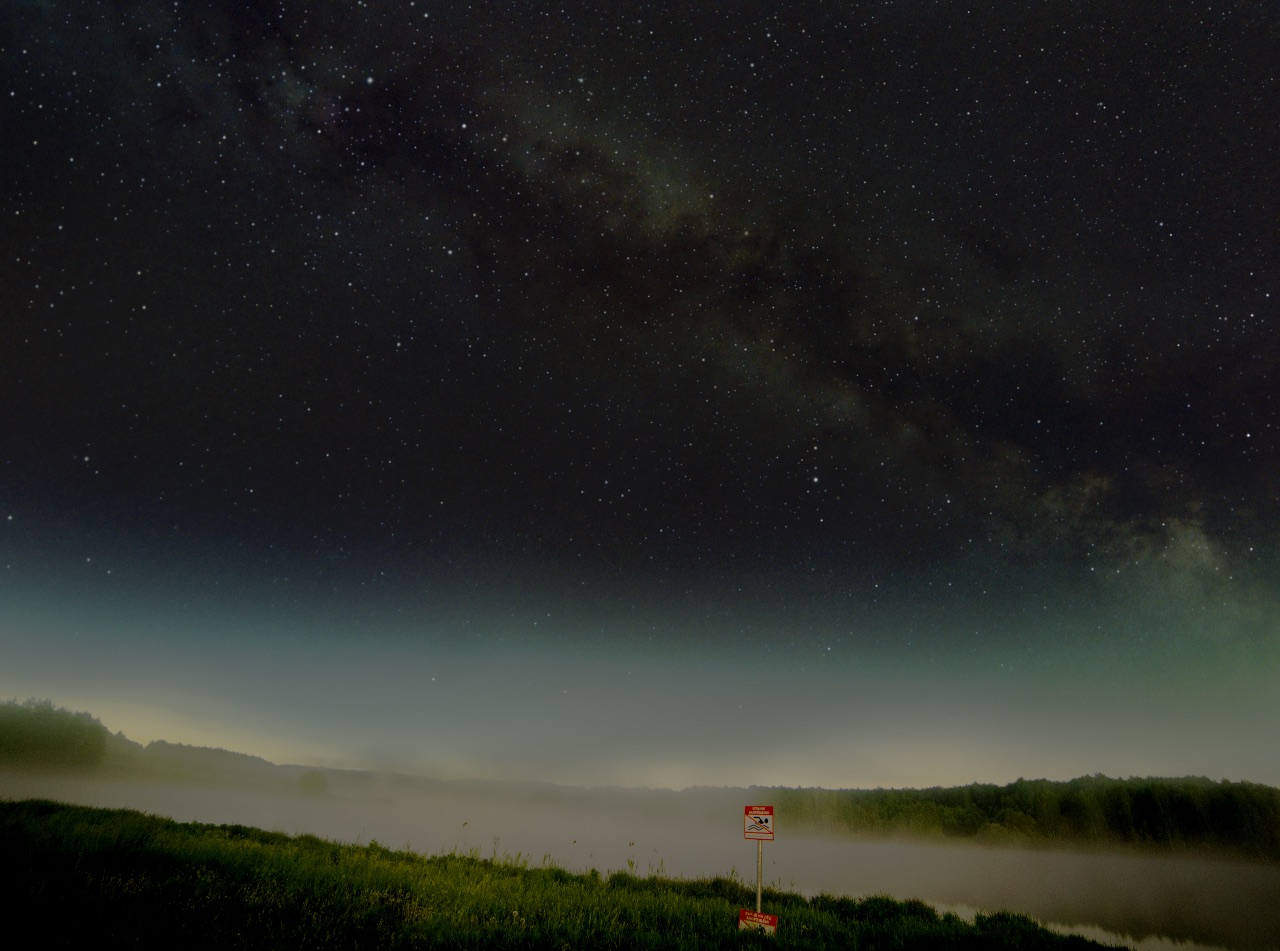
Dark adaptation: tune your eyes to the night sky
Your eyes need time to unlock their night vision. Here's how dark adaptation works and how to protect it during a session.
Read
How to pick a clear night for observing
Sky transparency, cloud cover, humidity and the Moon — four factors that decide whether a session succeeds. Here's what to look at when planning.
Read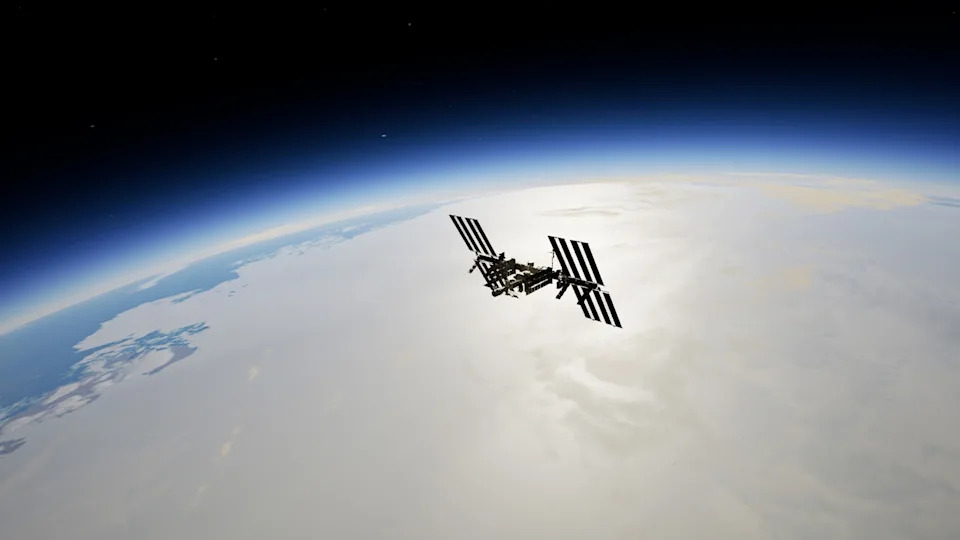
When and where to see the ISS with the naked eye
The International Space Station is the brightest human-made object in the sky. Here is when it's visible, what a pass looks like, and how not to miss it.
Read