When and where to see the ISS with the naked eye
The International Space Station is the brightest human-made object in the sky. Here is when it's visible, what a pass looks like, and how not to miss it.
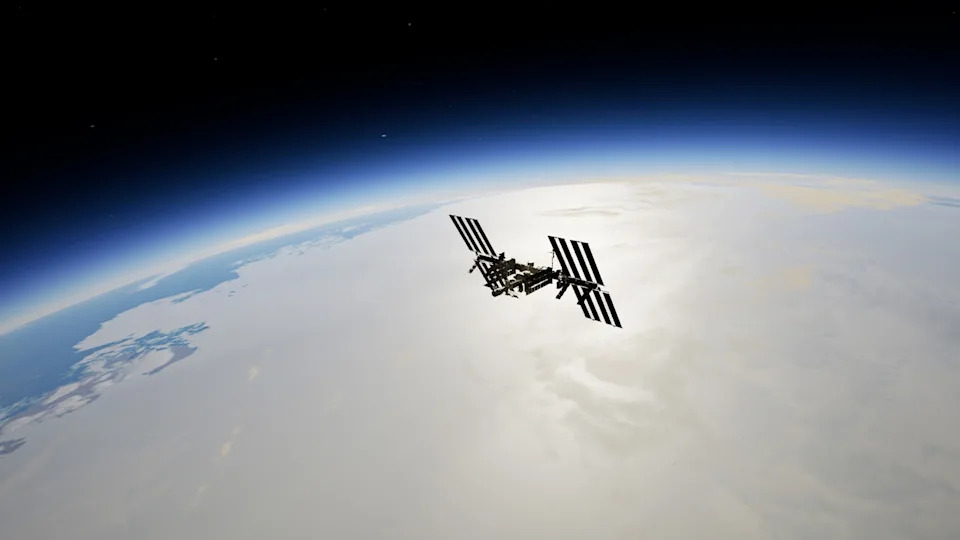
The International Space Station (ISS) is one of the brightest objects in the night sky. On a good pass it outshines every star and planet, and you can spot it from the middle of a city — no telescope required.
What a pass looks like
The ISS appears as a steady, bright point of light gliding smoothly across the sky — no blinking lights, unlike an aircraft. It crosses the sky in 2–5 minutes, rising from the western horizon and heading east.
Sometimes the station suddenly fades out mid-pass — that's it entering the Earth's shadow.
When it's visible
The ISS is only visible when two conditions line up at the same time:
- it's already dark where you stand (twilight or night);
- the station itself is still lit by the Sun at its altitude (~420 km).
That's why the best passes happen within 1–2 hours after sunset and before dawn.
How to catch a pass
You can't predict a pass by eye — the orbit shifts every day. The easiest way is an app:
- AstroTools shows the schedule of visible ISS, Tiangong and Hubble passes for your exact city;
- the map shows the ground track and the station's live position in real time;
- you can turn on alerts — the app reminds you 15–75 minutes before a bright pass.
Pick a pass with a high maximum elevation (the higher it climbs, the brighter and longer it stays visible), step outside under open sky, and just watch at the given time. No binoculars needed — the station is an easy naked-eye target.
Clear skies and happy observing!
Plan your observing with AstroTools
Weather, the Moon, light pollution and satellite passes — in one app.