Clear skies,
under control
Astro weather, cloud maps, ISS passes, the Moon, light pollution and planets — everything to catch the perfect night for observing.
Free · no ads in the observing tools · iOS and Android
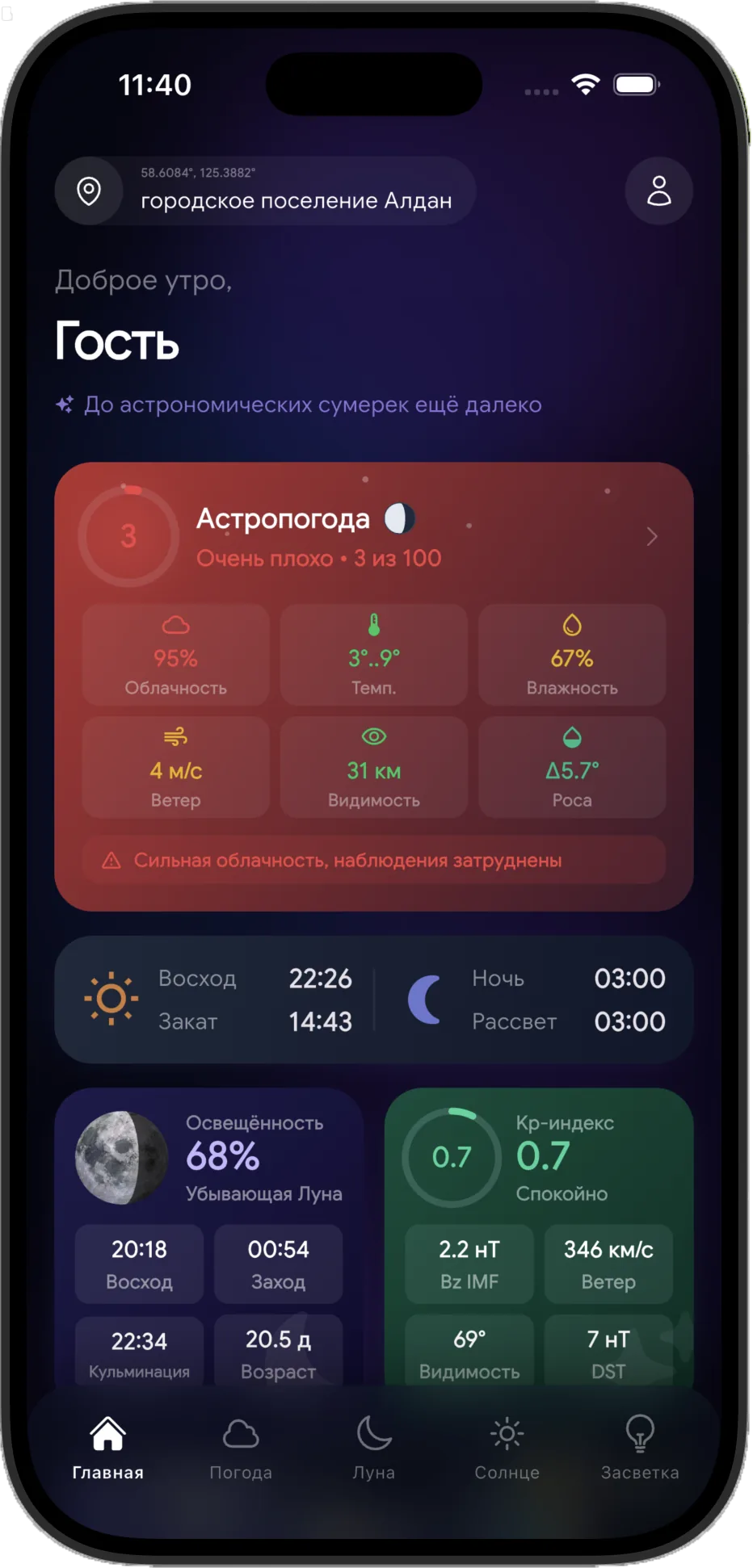
The sky right now
Live data for your location — tap a widget for details.
Everything for one perfect night
The tools that help you decide when and where to go observing.
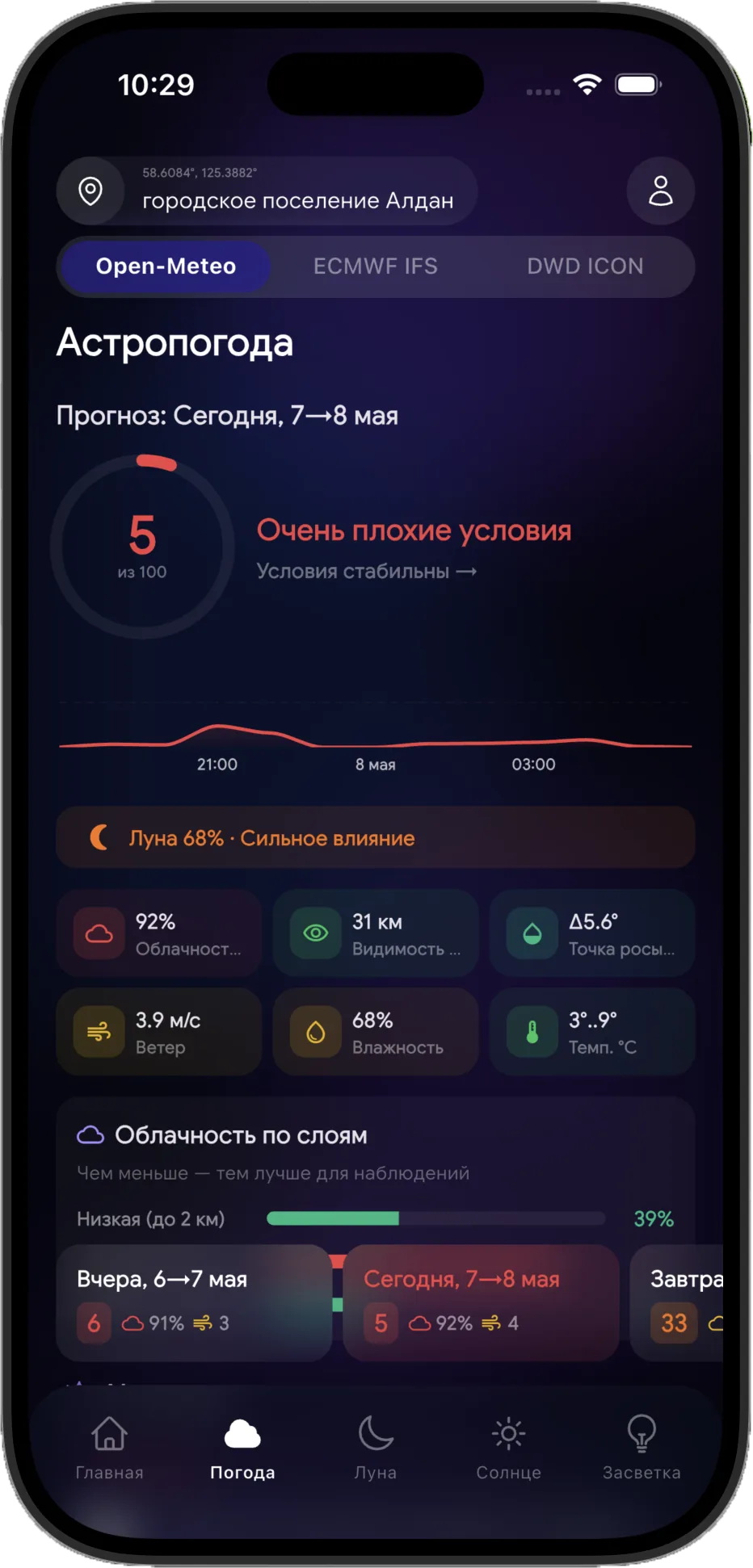
Astro weather
Hourly forecast of cloud cover, humidity, wind and sky transparency with an observing-quality score.
Cloud map
Interactive multi-day cloud heat-map by altitude layers around your location.
Satellite passes
Live ground-track map and schedule of visible ISS, Tiangong and Hubble passes with alerts.
The Moon
Phases, illumination, rise and set, calendar and eclipses — the Moon is the main source of night-time glow.
Light pollution
Worldwide light-pollution levels so you can find dark skies near you.
Auroras
Current Kp index and aurora probability so you never miss a burst of activity.
Planets
Planet visibility, rise and set times and the best moments to observe.
Tonight's targets
Ranked object recommendations for observing and imaging under your conditions.
NASA & news
NASA's Astronomy Picture of the Day, solar activity and fresh space news.
Read the night at a glance — one score
AstroTools folds layered cloud cover, transparency, humidity, wind and the Moon phase into a single 0–100 score, so you know at once whether tonight is worth the drive.
- Hour-by-hour forecast several days ahead
- Three weather models: Open-Meteo, ECMWF and DWD ICON
- Moon influence and dew point factored in automatically
Catch the next clear night
Install AstroTools and plan your observing wherever you are.
Free · no ads in the observing tools · iOS and Android
From the blog
All articles →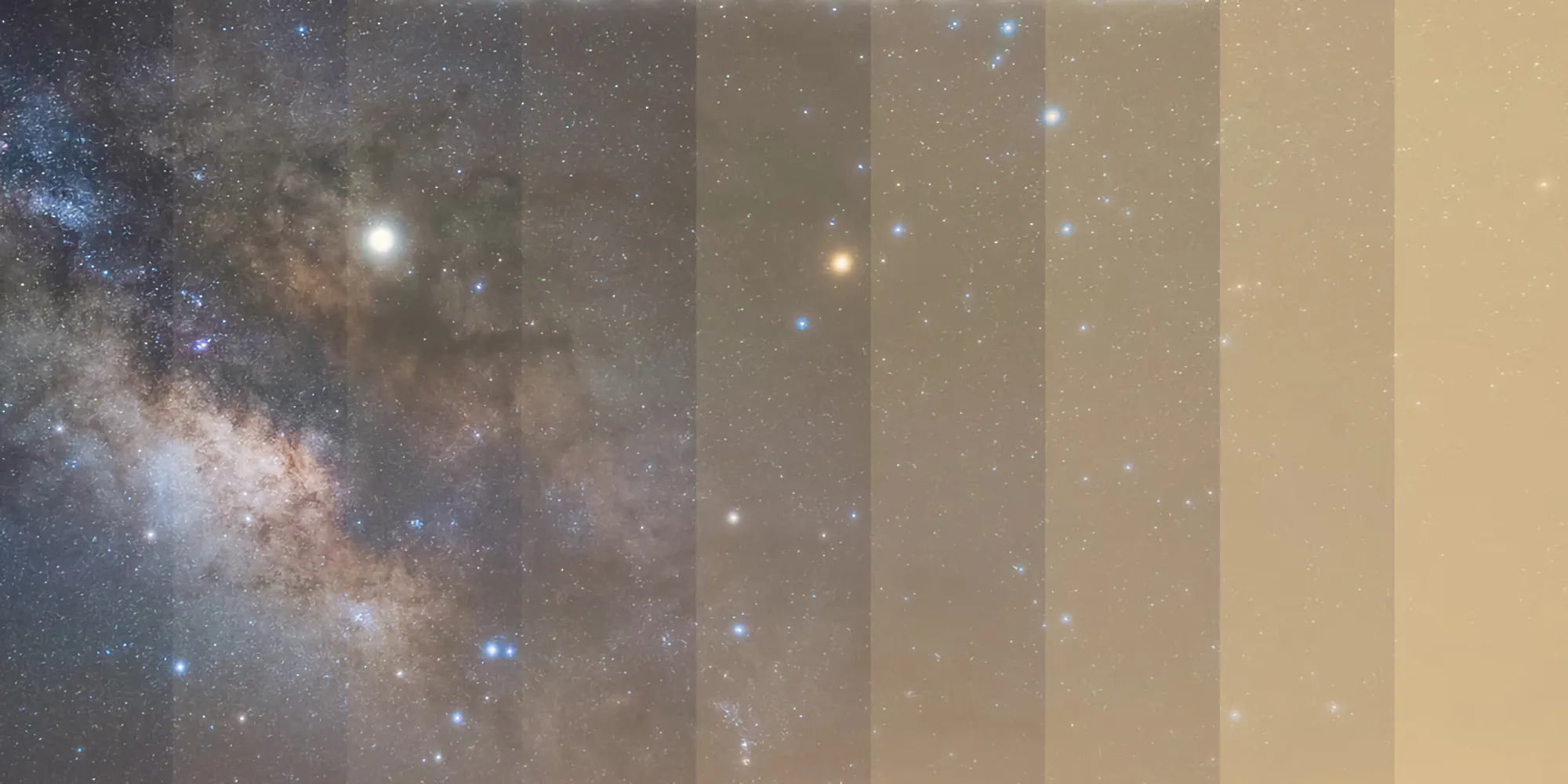
The Bortle scale: how to find a dark sky near your city
The nine Bortle classes in plain words: what you can see in each, how to work out your own class and how far to drive from town for a dark sky.
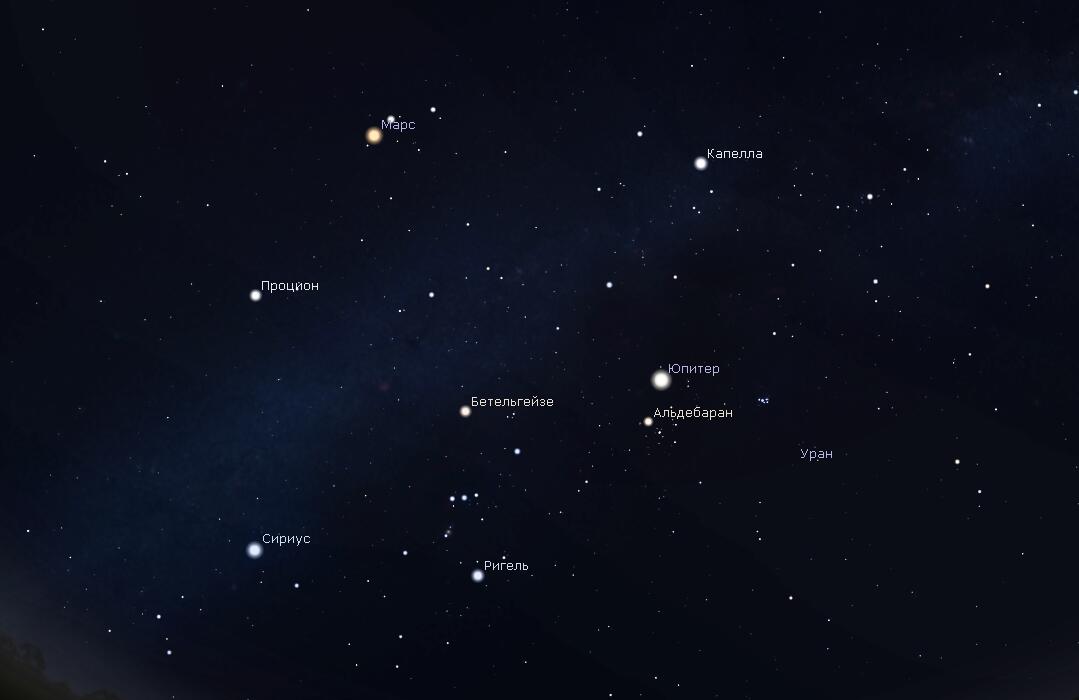
What's that bright star in the sky: how to tell a planet from a star or a satellite
Is that bright point a planet, a star, the ISS or a plane? Four simple clues and a cheat sheet for what's visible in autumn and winter 2026–2027.
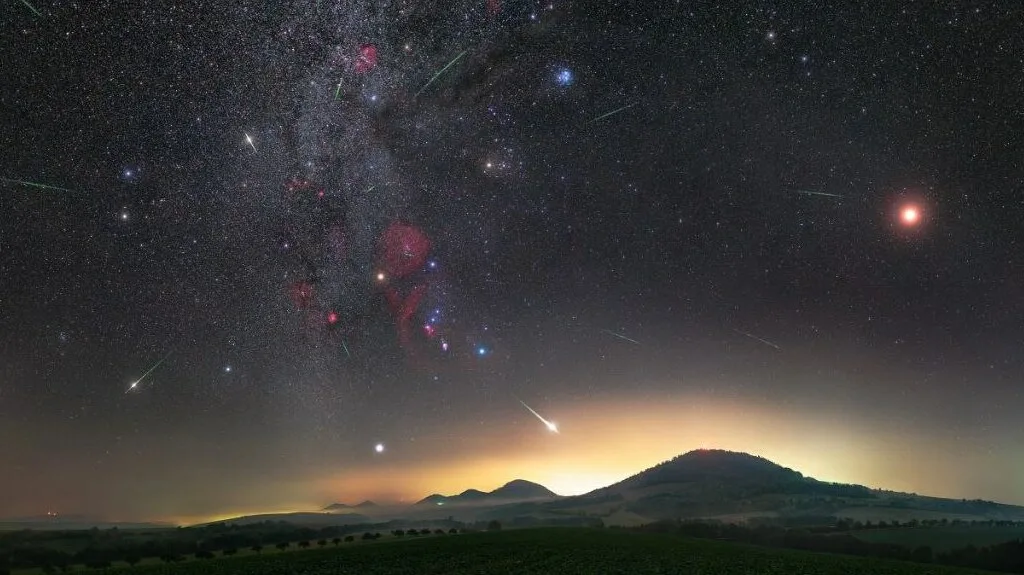
Orionids 2026: the Halley's Comet meteor shower peaks on the night of 21–22 October
The Orionids peak on the night of 21–22 October 2026. When the Moon sets, where to look and how many meteors you can realistically expect.